
Chía Patiño
Stage Director • Composer • Cultural Manager • Artistic Director
Biography
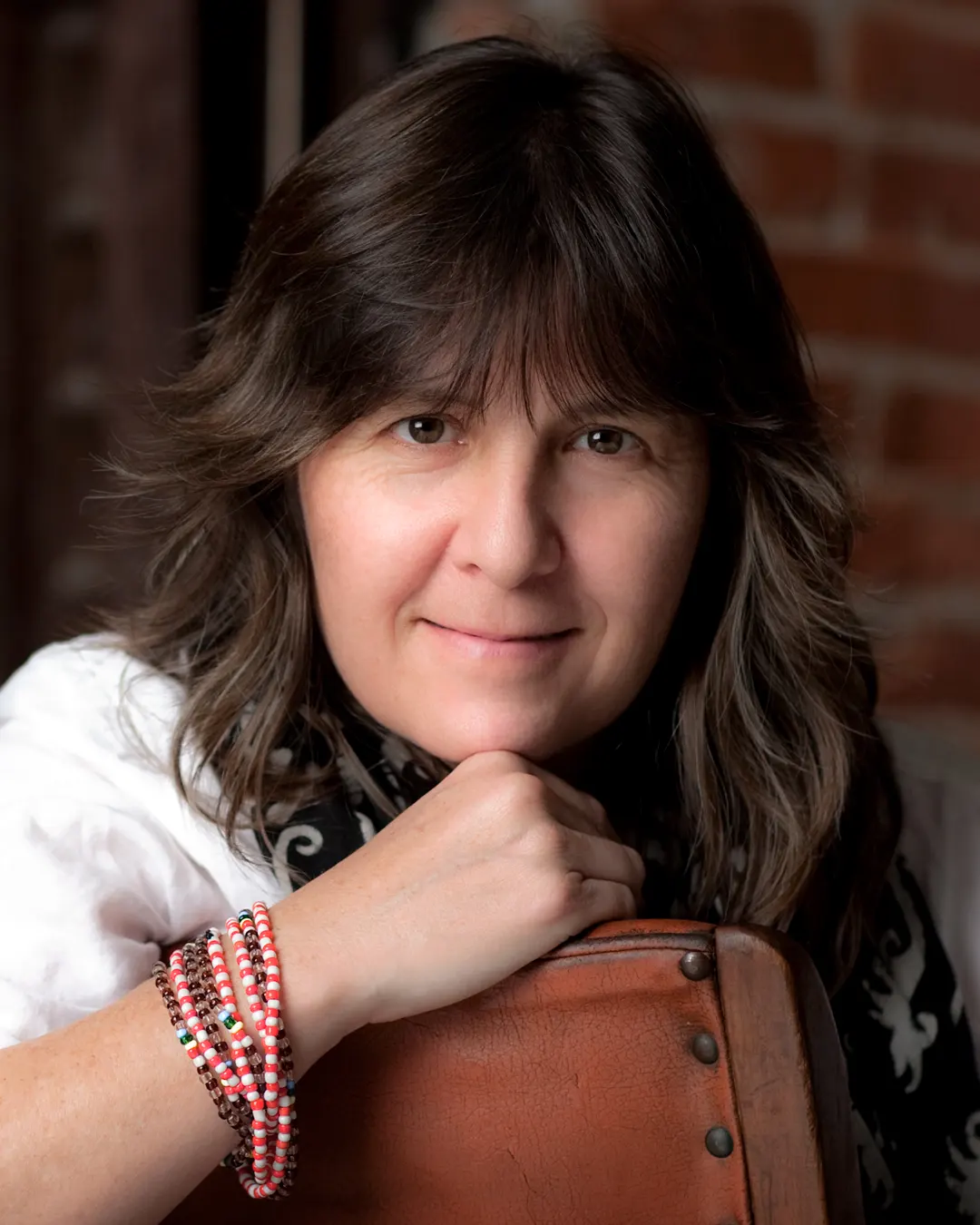
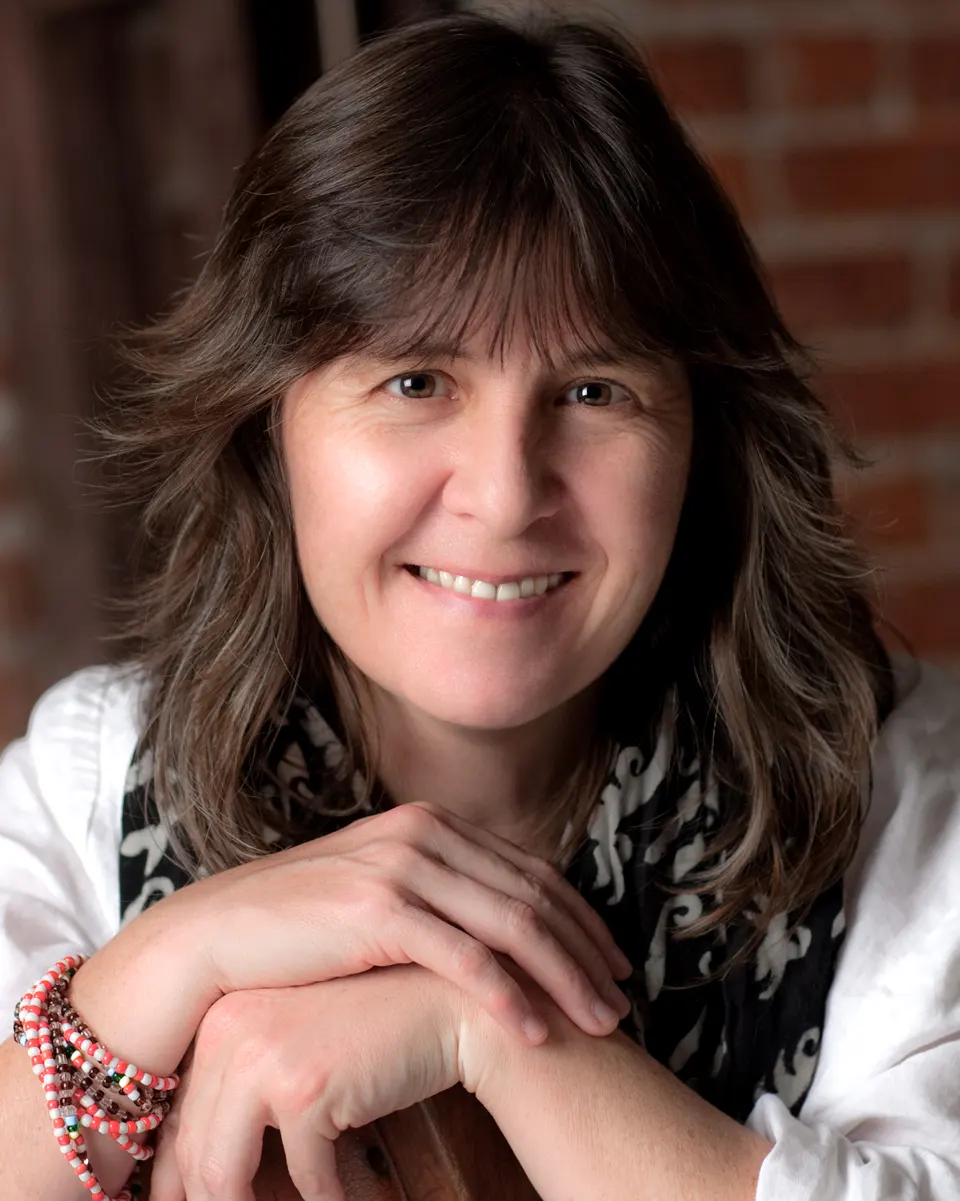
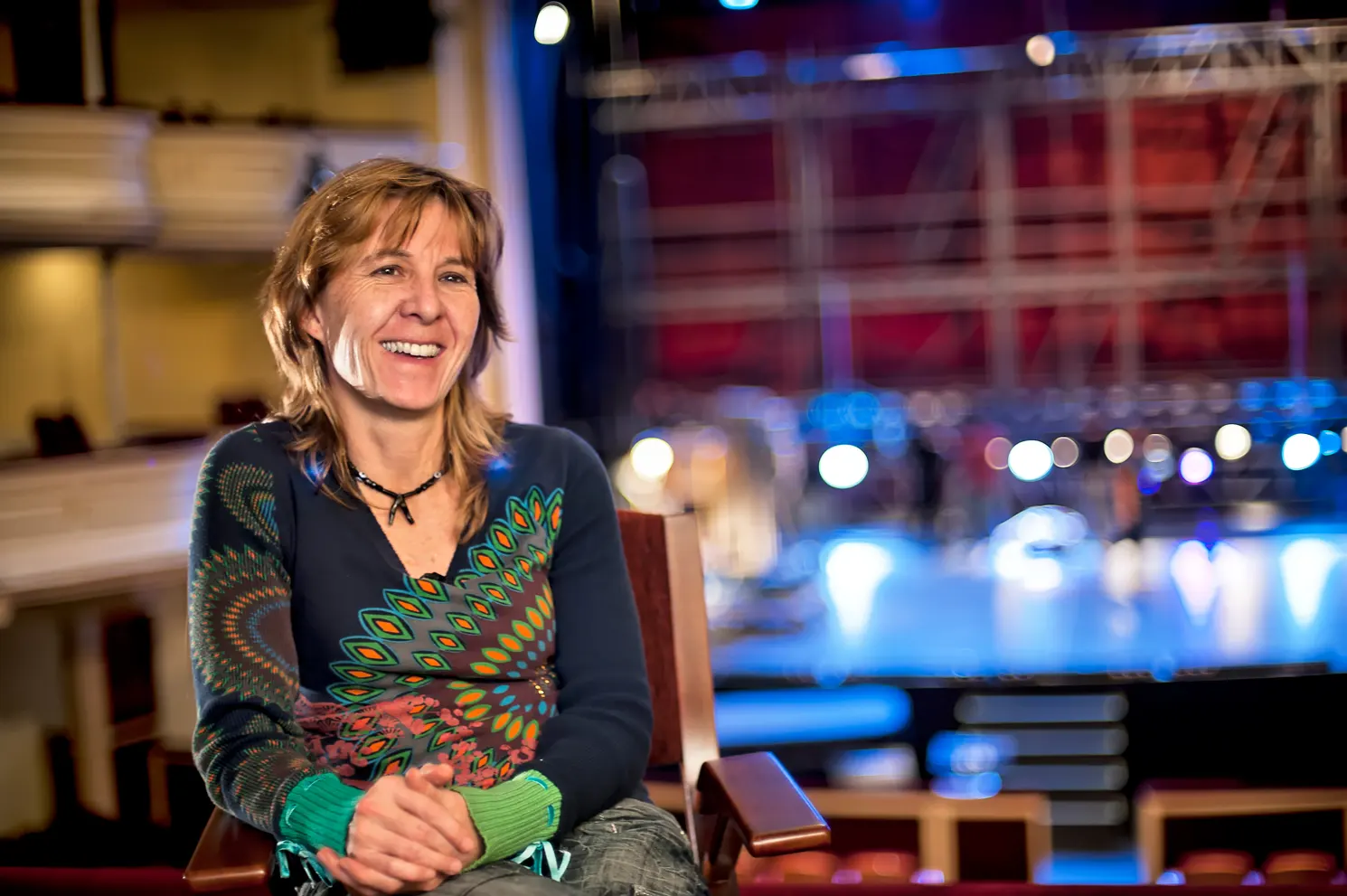
After ten years as Artistic and Executive Director of the Teatro Nacional Sucre in Quito, Ecuador (2009-2019), stage director and composer Chía Patiño has returned to the United States, where we will now find her as a stage director and professor at the School of Music, Theatre, and Dance of the renowned University of Michigan in Ann Arbor.
In her versatile career, we will find her as a stage director of various operas. This past summer, she directed the world premiere of The House on Mango Street with music by Derek Bermell and libretto by Sandra Cisneros at the Glimmerglass Festival. For UM, she has now directed The Marriage of Figaro by W.A. Mozart and The Turn of the Screw by Benjamin Britten. And recent projects that stand out include Don Giovanni for the Aspen Music Festival, The Daughter of the Regiment for Opera Colorado, La Traviata for Florida Grand Opera, Suite Española 1 and 2 for Houston Grand Opera, Orpheus & Eurydice for Seattle Opera and Florencia en el Amazonas in Spain for Opera Tenerife. In her commitment to new works we will find her directing Ñomongetá by Diego Sánchez Haase in NY and Washington (the only opera in Guaraní) as well as the workshop of Paradiso, with music by Yevgeny Sharlat and libretto by Stephanie Fleischmann.
Upcoming performances include a Premiere of Working for the Macbeths by Johanny Navarro and Marcus Yi as well as West Side Story for the Kalamazoo Symphony Orchestra.
As musical director, she directed the Opera Mariachi Cruzar la Cara de la Luna, the Opera Mariachi commissioned by Houston Grand Opera with performances in Houston, Paris, Chicago, Fort Worth, Phoenix, San Diego, Tucson, El Paso, and Quito.
Artistic Statement
I believe in music and I believe in art. I believe the true essence of humanity communicates through that invisible, untouchable product. It shows us at our best and at our worst, because humanity has many sides. Nobody and nothing can control our feelings: through art we perceive as big a scope of things as we allow ourselves. The good, the bad, the allowed and the forbidden: and that makes art dangerous.
At its best we will find music, poetry or paintings that make us laugh or cry, that reminds us of friends and family, our first love, heartbreak or loosing a loved one; trough art most of the memories that build us are engraved forever. At its worst it makes us conscious or remind us of the things that we are afraid of.
Music and art is a feeling: it can not be erased or cut. It passes frontiers such as censorship. Though many artists and their work have been forbidden trough history- what they wanted to say survived trough their art.
I believe in the intimacy of spaces to allow people to be fragile again: I have directed three different spaces in Quito, the capital of Ecuador, and I have witnessed over five thousand spectacles over the last ten years. I saw the audience engrossed in feeling, and feeling is a luxury in our time: publicity and marketing do their best to manipulate us and our feelings get in their way. In the intimacy of a theatre, when the lights go off, and we feel safe and nobody judges or pushes, we will reconnect with our essence.
As a Stage Director, I need to be clear to communicate what I want to say: honesty is imperative. My Luisa Fernanda was a love story were the main character chooses the wrong lover – and many of us can relate to that. Faust is unable to perceive that he is dealing with the devil, and thus gets seduce by power and the idea of being young again. My Les Miserables was updated to current times were we still find students in the frontline of the revolution against corrupted power. Venezuela is a painful reminder at present time of this, and it is important to remember and know that we can resist.
La Flauta Magica de los Andes (The Maglic Flute) seen trough the Andean cosmovision. It showed me pure simple and ancient values: as strength, valour and justice. Their importance cuts trough any timeline. In our production the children that “did not know how to behave in opera”: they talk to Papageno on stage as if it was a puppet show- which it was: we used over one hundred puppets. I think Mozart would have loved it. Magic happened in our Flute. Art makes us pure and we react in a natural way, like children.
I belive in opera that is not for the elite, but the original form: sometimes it is just wants to entertain and sometimes it needs to denounce. But it should always have something to say and share. And here is the magic: the artists will aim to say one thing, but the audience will perceive what they need to perceive.
For ten years I created those moments for the audience. I feel proud of what I have directed. But I think it is now time to focus on the root of art and its creators: the students and apprentices. They will generate the new product. It needs to have a valid voice and be aware of our time. I am looking forward to pass on what I’ve learnt, to teach young stage directors and singers to be aware of their time and surroundings. To conceive art with a reason other then money. To yearn to communicate and respect their audience and times. As a Stage Director, my favorite part has always been the rehearsals: everyone rowing in the same direction not always knowing the goat. Magic. Prepearing the next generation is exciting.
Though I know I still have much to say, I believe it is extremely important to prepare the future voices, as they will be facing very complicated times: a time were the system is numbing everyone. Keeping strong and honest voices is urgent.
Quito, JuIy 6, 2019